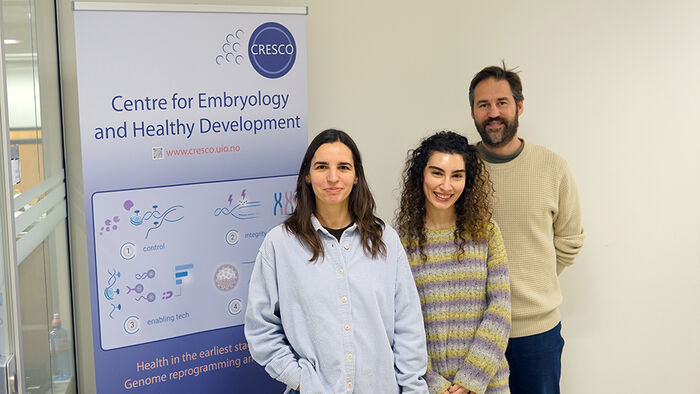
Deputy Centre Director Lorena Arranz has received 9 million NOK in funding from Helse Sør-Øst RHF for her project NEUROTARGET: The nervous system as a druggable vulnerability in myeloid blood cancers.
2025
CRESCO researcher Yanjiao Li, has received 10 million Norwegian kroner in FRIPRO funding from the Research Council of Norway. FRIPRO is awarded for frontier research with the potential to push the boundaries of knowledge.
We are pleased to introduce the 2025-2026 Early Career Researcher (ECR) committee. The new committee members are Maria Vera-Rodriguez, Aylin Cengiz and Håvard Aanes.
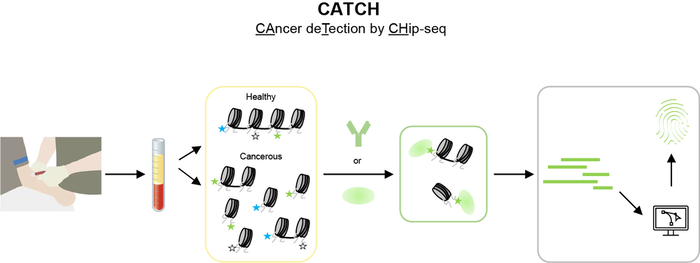
Cancer is a major cause of mortality in Norway and worldwide for decades. Detecting cancer at an early stage allows for timely intervention, which can improve survival and reduce suffering. The John Arne Dahl group is proud to receive 8M NOK funding from the Norwegian Cancer Society (Kreftforeningen) to develop CATCH - CAncer deTection by CHip-seq, a cutting-edge method for early cancer detection.
Researchers at the University of Oslo have received support from the Research Council of Norway for groundbreaking research. The projects will, among other topics, investigate supernova explosions, public perceptions of the rule of law, and the impact of technology on working life.
One in six couples worldwide struggle with infertility, and the number is rising. In Norway, the fertility rate has fallen by almost 30% in the past decade, and 6% of children are now born through assisted reproductive technology (ART). Yanjiao Li, researcher at CRESCO, has written a blog post for the Oslo University Hospital blog OUS Insight.
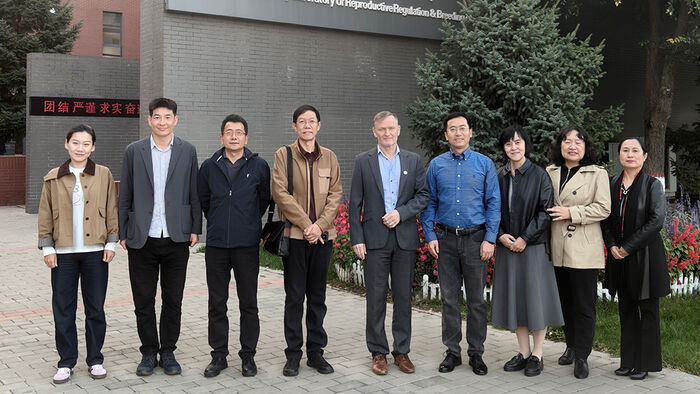
On October 13, Arne Klungland and Yanjiao Li visited the College of Life Sciences at Inner Mongolia University in Hohhot, located in the Inner Mongolia Autonomous Region of China. They were invited by Professor Chengguang Liang, head of the research group where Yanjiao Li completed his master’s thesis.
Neurodevelopmental conditions, embryonic development, biodiversity, cancer control, medications, addiction, mental health and drug delivery are topics the new convergence environments will explore.
The recent CRESCO retreat held at Hurdalsjøen Hotel encouraged collaboration, innovation, and knowledge exchange among senior researchers, early career scientists and Core Facilities. With an engaging program filled with presentations and ample networking opportunities, the retreat proved to be a vital platform for exploring novel research and establishing new connections within the Centre.
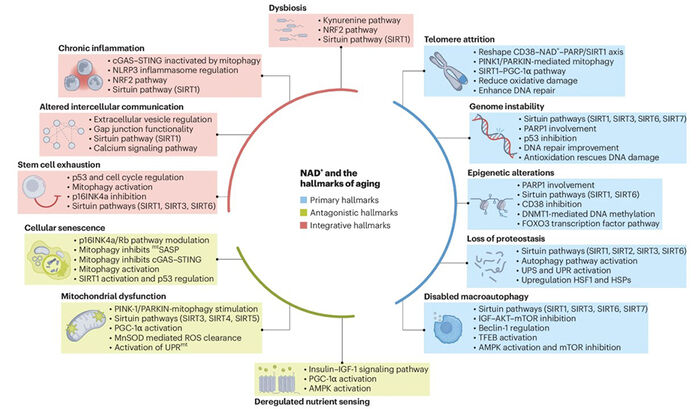
Hilde Loge Nilsen, Principal Investigator at CRESCO, has co-authored a recent review paper published in Nature Aging. In this review, the authors summarize important data regarding the safety, bioavailability, and efficacy of NAD+ in clinical trials, focusing on aging and neurodegenerative diseases.
Patient Day at MIK/CRESCO – strengthening collaboration between patients and researchers.
EMBO membership is awarded to outstanding researchers in molecular biology after a thorough evaluation. Klungland becomes the twelfth member from Norway.
CRESCO researcher Yanjiao Li and team has published a new paper in The EMBO Journal titled The RNA m6A landscape during human oocyte-to-embryo transition.
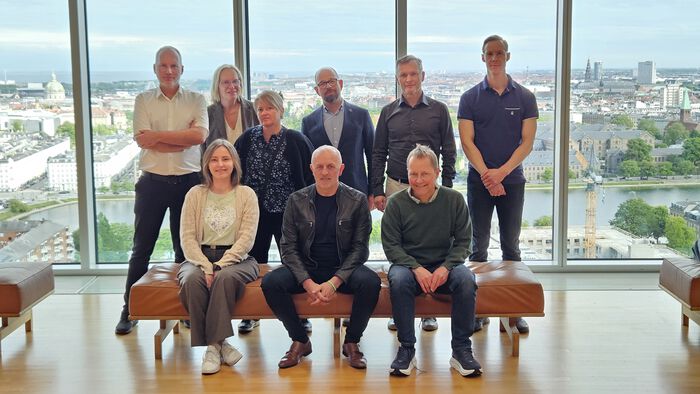
Building on the success of last year’s gathering, the CRESCO PIs once again selected Copenhagen as the venue for their extended group meeting.
Magnar Bjørås, Principal Investigator at CRESCO, has been awarded 10 million NOK in funding from The Norwegian Research Council to advance the development of organoids.
In a formal ceremony, the National Association for Public Health's 2025 Research Awards were presented, and outstanding young researchers, including Yanjiao Li, were introduced as recipients of research scholarships. Yanjiao Li's innovative approach to Alzheimer's disease holds potential for the development of new treatment methods for dementia, affecting many people worldwide.
Our bone marrow is crucial for producing blood cells, thanks to special cells called hematopoietic stem cells (HSC). These stem cells depend on a supportive environment, known as the "stem cell niche," which includes nerve fibres. Recent studies are revealing that damage to these fibres, known as neuropathy, may play an important role in blood cancers. Here is what you need to know about this discovery and its potential impact on blood cancer development and treatment.
Welcome to Paqui Ferrer Marin at the Stem Cells, Ageing and Cancer team on a 6-month research stay funded by the Spanish Health Authorities!
Retinal organoids, from patient-derived tissues, can be used to evaluate potential treatments of retinal disorders and lead to clinical trials.