
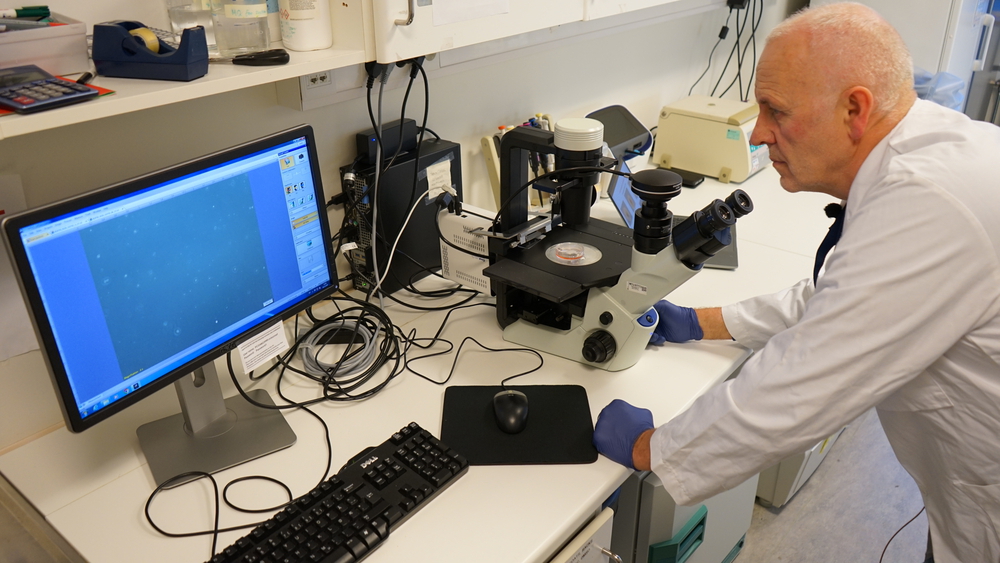
Developing new cell therapy approaches
CRESCO PI Magnar Bjørås and colleagues have developed a technique to generate "mini-organs" in vitro by obtaining a biopsy of patient skin cells, which are then reprogrammed into induced pluripotent stem cells (iPSCs). These iPSCs can differentiate into various organ-specific cells, enabling the formation of organoids, such as retinal, pulmonary, or cerebral structures. These organoids serve as invaluable models for investigating pathophysiological mechanisms and developing therapeutic interventions, with significant potential for advancing cell therapy approaches.
Retina organoids from patients
Bjørås and his team have successfully cultured retinal organoids, which are sophisticated three-dimensional constructs of the retina. This innovation facilitates detailed cellular and molecular analysis of retinal disorders. The methodology allows for the evaluation of potential treatments on patient-derived tissue models, minimizing the risk of adverse effects when compared to direct patient trials.
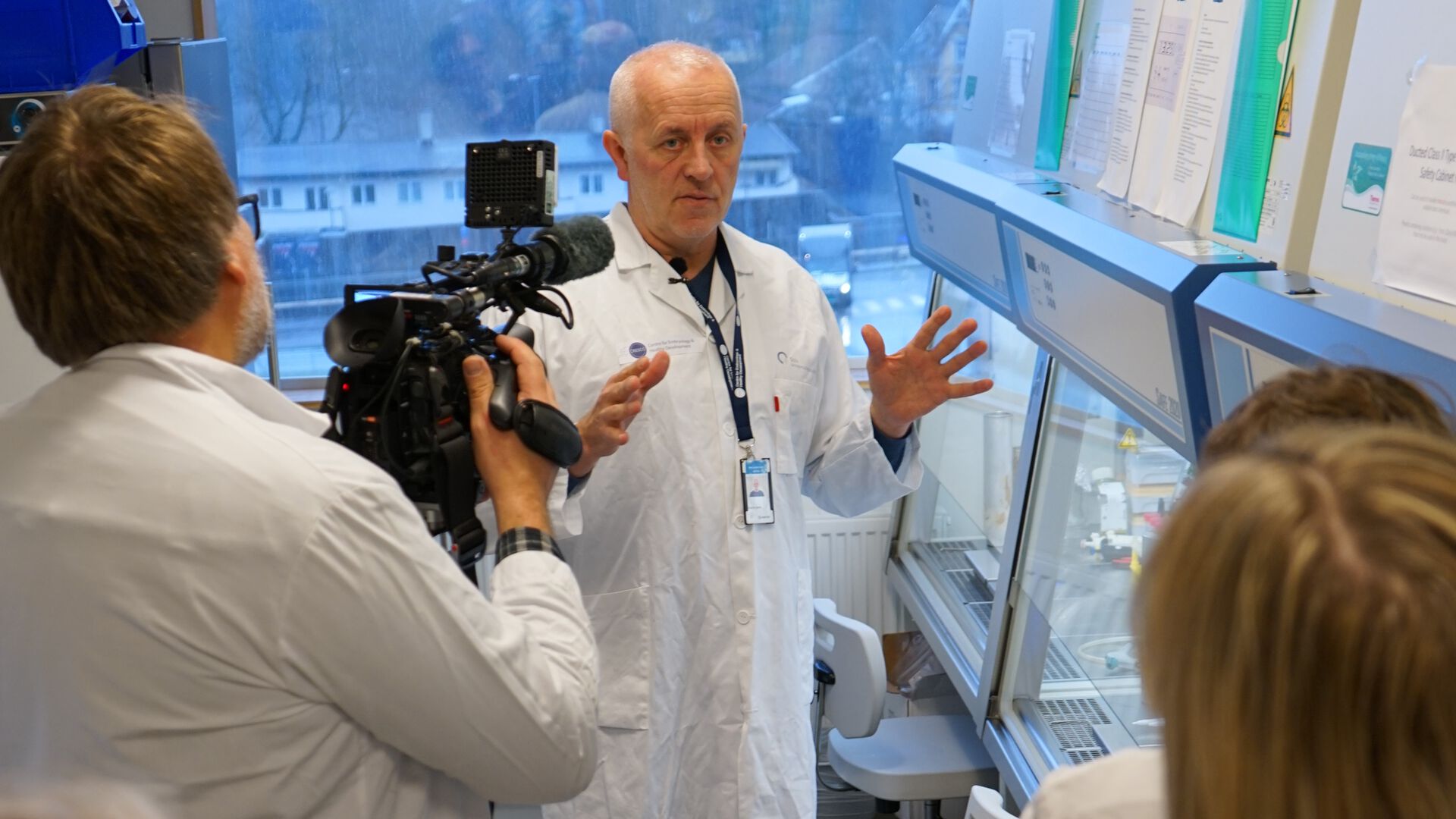
In December, a patient affected by Retinitis pigmentosa (RP), a condition that gradually deteriorates the retina of the eye, visited our lab in Oslo. She was accompanied by a TV crew from TV2 News. Read her story here (available only in Norwegian).