
Biases in science: How they shape our research and what we can do
How do our ways of thinking and our research environments influence the conclusions we draw? Researchers rely on their ability to recognize patterns and interpret evidence, but these strengths can also lead us astray. Together with publication pressures and established practices, they can influence what we investigate, publish and accept as knowledge.
This seminar brings together three perspectives on biases in science, exploring how we interpret patterns and chance, how scientific disagreements can become entrenched, and what we can do to improve research reliability. The seminar is relevant to researchers at all career stages.
13:30–13:35 | Welcome and introduction
13:35–14:05 | The search for patterns: A strength and a pitfall in science
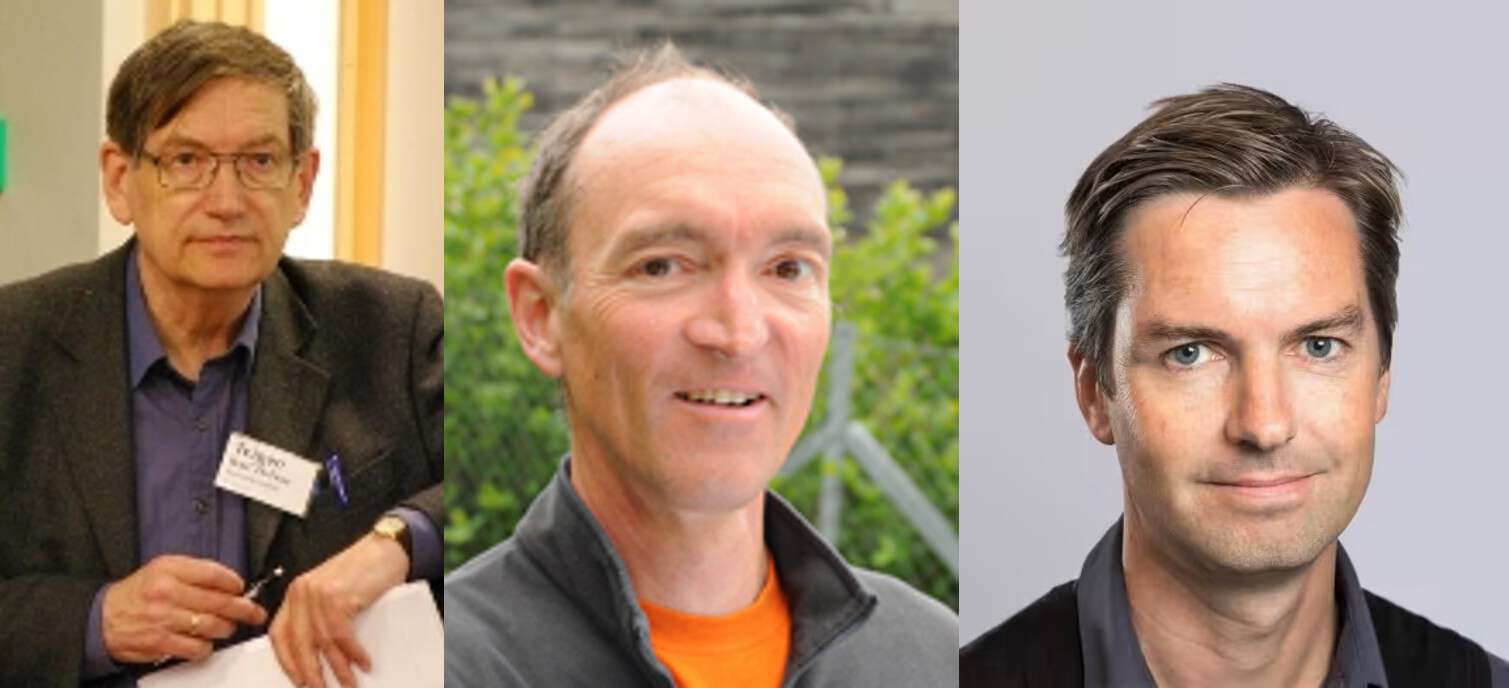
Karl Halvor Teigen
Teigen will provide a brief introduction to cognitive biases before exploring how we recognize patterns and interpret evidence. Recognizing patterns and regularities is fundamental to scientific discovery, but how do we distinguish meaningful patterns from chance? He discusses how this essential scientific ability can lead us astray, and how the publication process can favor confirmation.
14:05–14:35 | Biases and polarization in science
Bjørn Morten Hofmann
How do our assumptions, values and attachment to particular methods or positions influence scientific judgement? Drawing on research in bioethics, medical technology and polarization, Hofmann explores how these influences can shape our assessment of evidence and contribute to entrenched disagreements.
14:35–14:45 | Break
14:45–15:15 | From the replication crisis to better research practices
Bjørn Sætrevik
What can the replication crisis teach us across scientific disciplines? Sætrevik explores how confirmation bias, overconfidence and publication pressures can shape research, and how open science and practical changes in research practice can improve reliability.
15:15–15:45 | Joint discussion: What can we do in our own research?
All three speakers
Using everyday research dilemmas, e.g. conflicting results, choices in data analysis and disagreement within a research group, we will discuss practical ways to reduce bias. How can our individual habits, research culture and organisational structures support critical discussion and better scientific judgement? The aim is to identify what researchers and research groups can do in practice to avoid the bias pitfalls arising from individual and systematic sources.